Selling a scrap car is a short transaction — a phone call, a handshake, a wad of cash. What happens to the vehicle afterwards is a much longer story, and a more interesting one than most people expect. A modern end-of-life vehicle passes through four distinct stages before its steel turns up again in something new.
First: Everything Toxic Comes Out
A car is a rolling container of fluids you'd never want in a river. Before any dismantling starts, all of it is extracted:
- Engine and gearbox oil — sent for re-refining
- Coolant — captured for licensed processing
- Brake and power-steering fluid — handled as hazardous waste
- Leftover fuel — siphoned for reuse
- Air-con refrigerant — recovered under controlled conditions so it never vents to atmosphere
- The battery — removed whole for its own recycling stream, where lead recovery rates approach total
This stage is the environmental heart of the whole process. Southland is a province of rivers — the Oreti, Aparima, and Mataura all wind through the same country where old cars get abandoned — and a single vehicle rusting in a wet paddock can leak its entire fluid inventory into the ground over a few years. Professional depollution is what stops that.
Second: The Parts Worth Saving
Plenty of components outlive the vehicle around them. Dismantlers recover and resell engines, gearboxes, alternators, panels, lights, wheels, and interior trim — keeping other cars on the road cheaply and keeping functional hardware out of landfill. On popular Japanese models, parts recovery can represent more of the vehicle's value than its metal.
Third: Crush, Shred, Sort
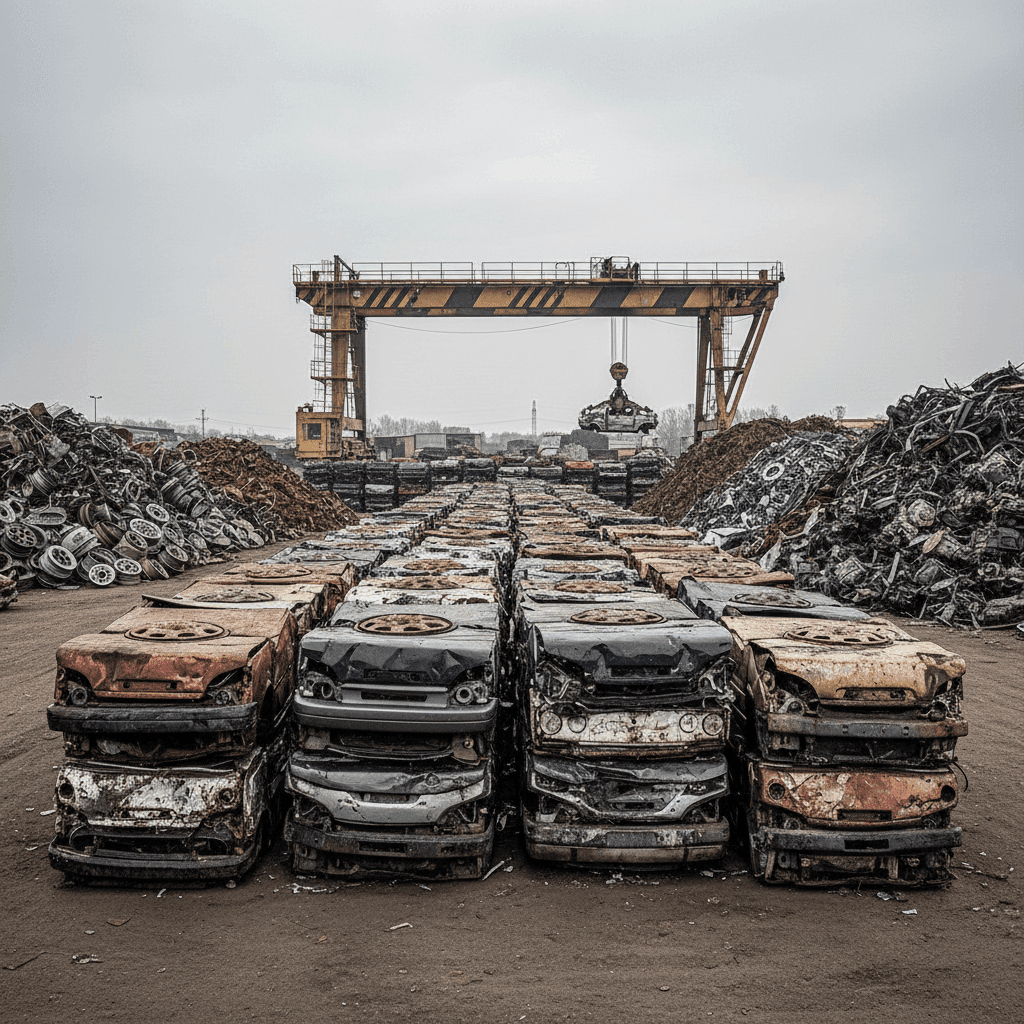
The stripped shell gets flattened, then fed through an industrial shredder that reduces it to fragments in under a minute. Automated sorting takes over from there: magnets pull out the steel, eddy-current separators fish out aluminium and copper, and what remains — plastics, glass, foam, fabric — is processed further or sent to managed landfill as shredder residue.
Fourth: Back Into the Furnace
The sorted metals head to mills and smelters to be melted into new stock. A typical car surrenders roughly 800 kg of steel and a healthy quantity of aluminium — and recycled metal takes a fraction of the energy that primary production does. Southlanders know this better than most: aluminium has been part of the province's economy for half a century, and every recycled kilogram displaces energy-hungry virgin smelting. Around 85% of a vehicle's mass makes it back into productive use.
Why Bother? The Local Answer
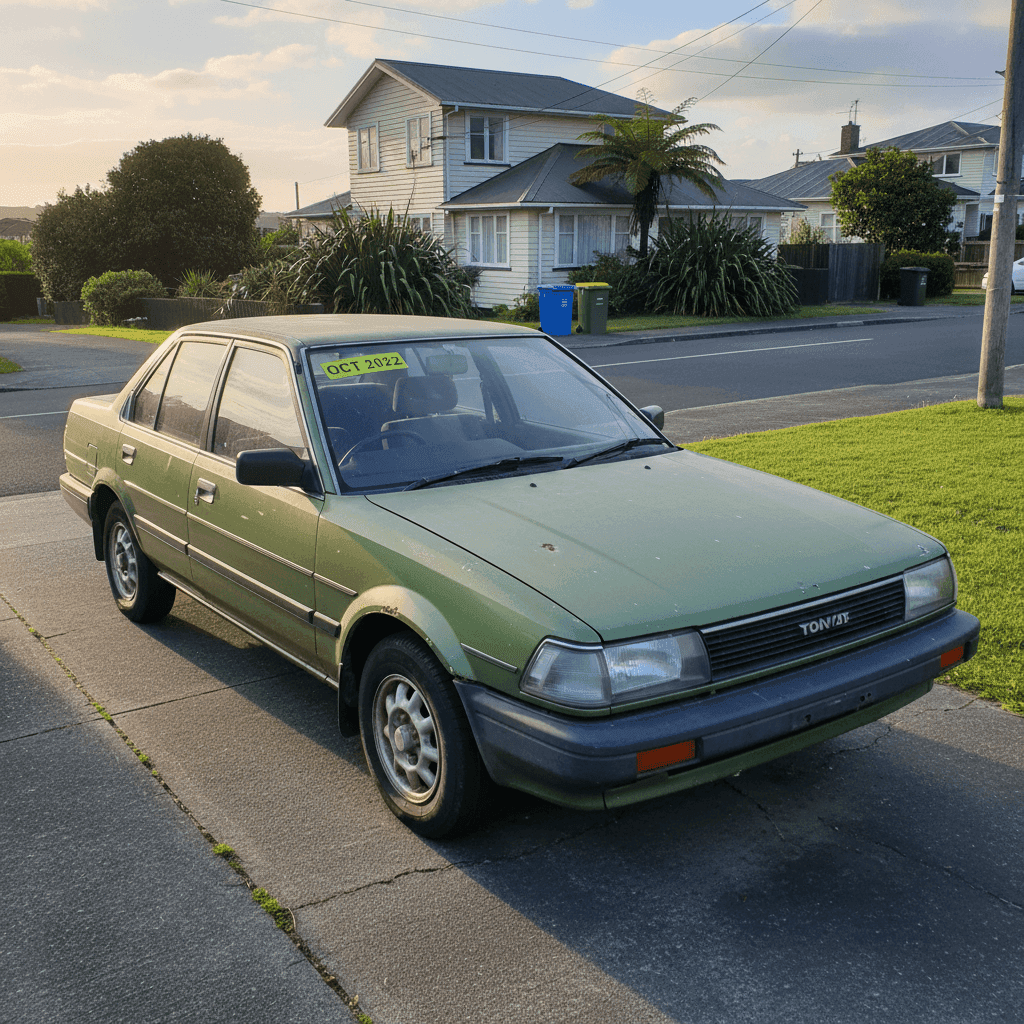
Because the alternative is the paddock car — and the deep south has thousands of them. Each one is a slow leak of oil, acid, and coolant into soil that drains toward waterways this region genuinely treasures. Scrapping through a proper operator isn't just tidier; it converts an environmental liability into cash and raw material. That's the whole pitch for doing it properly.
Got One Ready to Go?
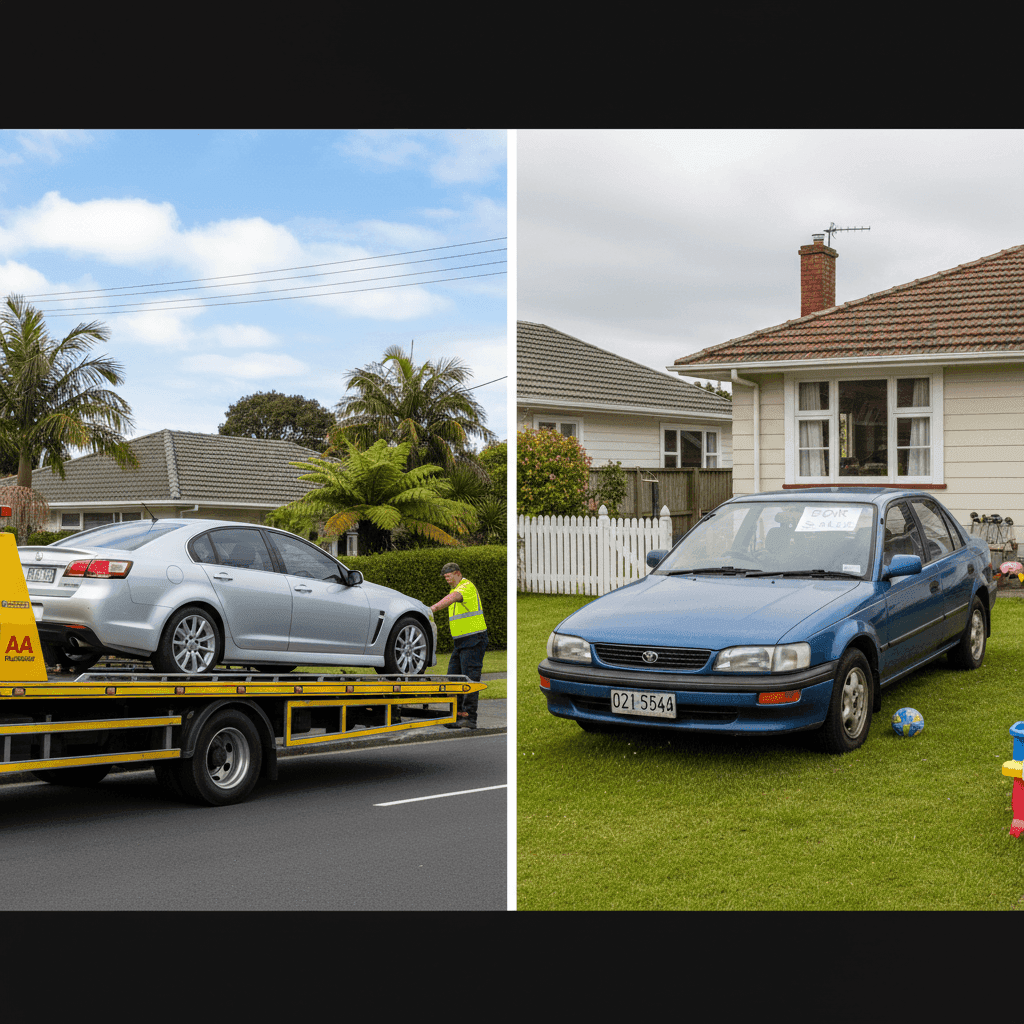
If a vehicle on your property has reached the end, we'll handle its next chapter. Free collection anywhere in Southland, cash before it leaves, and a recycling process you don't have to think about again. Ring 03 668 7220 or get a quote online.